The IoT SIM Built to Flex,
Priced to Scale

0 +
0 +
0 M+
0 +

Single Market Resilience

One SKU. Zero Borders

Global IoT Connectivity Management Platform

Fallback

Frame 1597885828

Roaming Steering

Frame 1597885828

MRC

Group 5

Nomad Platform

Frame 1597885832
  • Single MRC charge / cost optimized
  • Single or Double MNOs per country
  • Pay per use billing model (cost/MB)
  • Network resiliency
  • Industrial monitoring
  • Retail
  • Healthcare
  • Agriculture

The IoT Deployments in Healthcare: Challenges Worth Solving

Jpeg healcare

Fallback

Frame 1597885828

Roaming Steering

Frame 1597885828

MRC

Group 5

Nomad Platform

Frame 1597885832
  • Blended MRC charge / best coverage
  • Min 4 MNOs per country
  • Pay per use billing model (cost/MB)
  • IMSI and Network resiliency (intelligent routing)
  • Fleet Management
  • Vehicle tracking
  • Telematics
  • Logistics
  • Telemetry
  • Predictive Maintenance
  • Insurance

The Power of IoT in Vehicle Tracking

Fallback

Frame 1597885828

Roaming Steering

Frame 1597885828

MRC

Group 5

Nomad Platform

Frame 1597885832
  • Single MRC charge / low power
  • Only LPWAN access in country (LTE-M and NB-IoT)
  • Pay per use billing model (including access fees)
  • Network resiliency
  • Environmental sensors,etc.
  • Asset tracking
  • Smart meters

Different LPWAN Technologies Explained

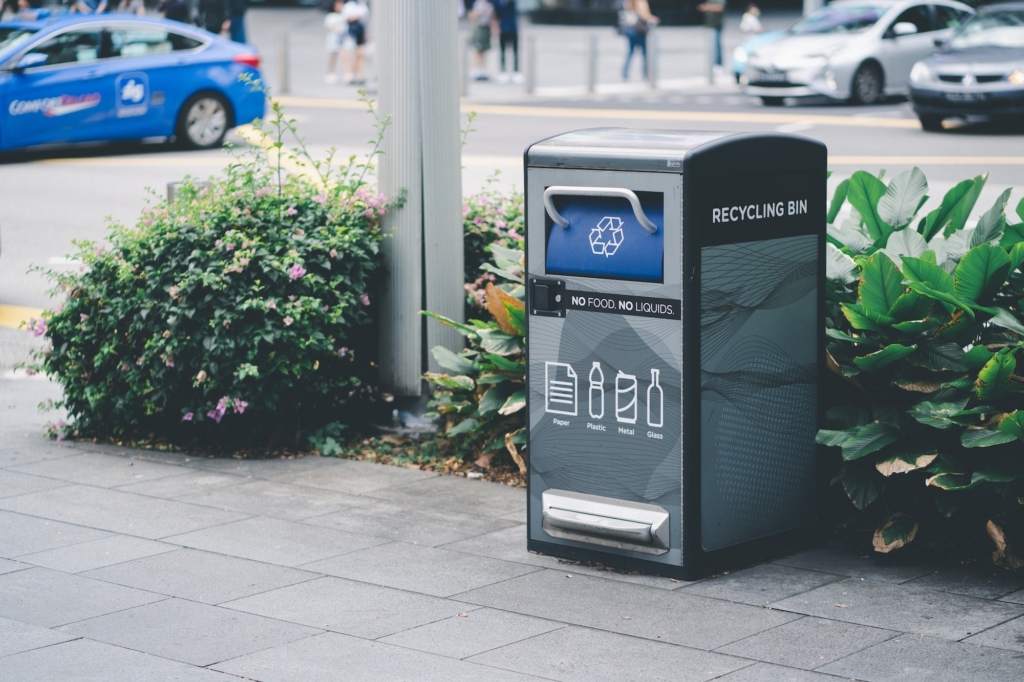
How Smart Bins Improve Waste Management
Smart bins use connected sensors to tell waste collection teams when containers are nearing capacity. Dispatchers can use those readings to prioritise bins at risk of overflowing and skip low-fill stops when service rules allow. For municipalities and waste operators, the value comes from using that information to change…
Article
Smart HVAC Systems: How IoT Cuts Energy Costs and Downtime
A smart HVAC system is a heating, ventilation and air conditioning setup with IoT sensors, distributed control boards and network connectivity built in. It lets you monitor and control temperature, humidity, airflow and energy use remotely — and flags faults before equipment fails. The main gains are lower energy bills, fewer emergency call-outs and easier regulatory reporting.
Article
eUICC vs. eSIM: What’s the Real Difference (and Why It Matters for Your IoT Fleet)
If you’ve spent any time researching connectivity for connected devices, you’ve probably seen “eSIM” and “eUICC” used as if they mean the same thing. They don’t — and for anyone building or scaling an IoT deployment, that distinction isn’t just semantics. It affects how you provision devices, how flexible you are with carriers, and how much manual work your team ends up doing down the line. At Velos IoT, we get asked about this constantly, so let’s clear it up properly.
Article