Retail & Warehousing

Connect. Scale. Deliver.

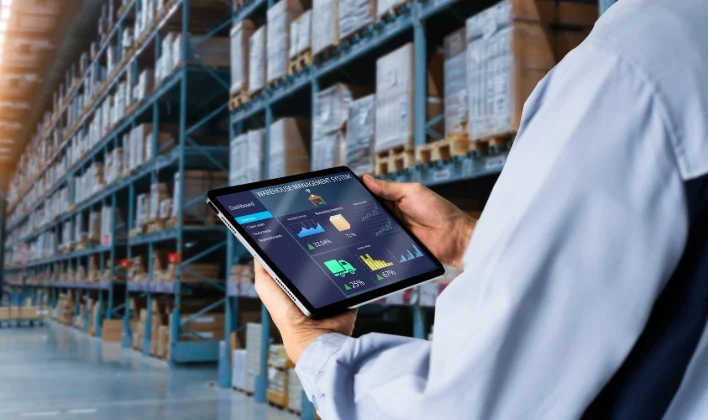
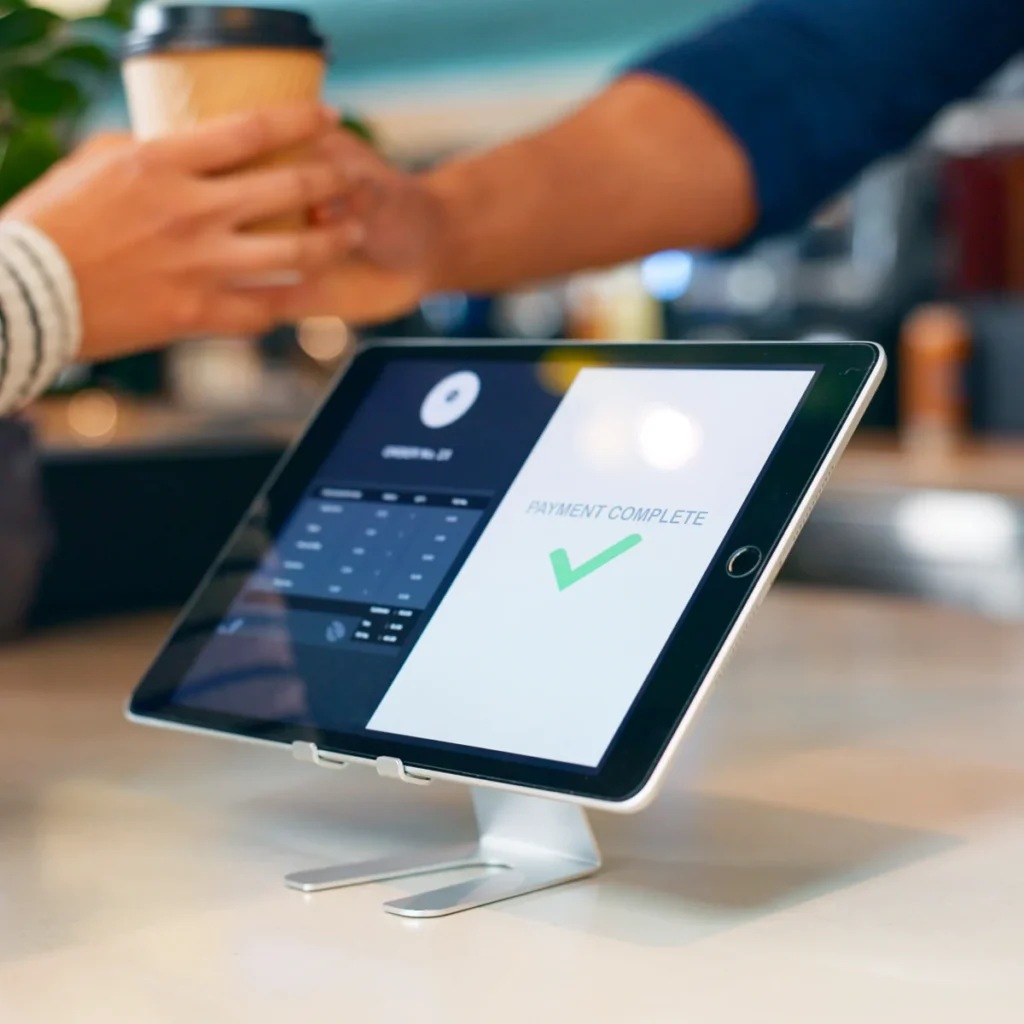
Eliminate the bottlenecks of legacy networks with high-performance 4G/5G Cellular IoT designed for the modern supply chain. Our connectivity provides the mission-critical backbone your operation demands, delivering real-time data transmission and hardened security from the loading dock to the checkout counter.

By closing connectivity gaps, you gain total visibility over inventory, streamlined logistics, and the power to provide a frictionless customer experience. This is a scalable, dependable solution engineered to make your operations smarter, faster, and more efficient.
0 +
0 +
0 M+
0 +
Scalable
Dynamic OTA Updates 1
Scale
Clear and Precise Real-Time Equipment Mapping at NanoLink
By embedding Velos IoT’s API directly into their deployment workflow, NanoLink eliminated manual SIM activation—transforming a time-consuming hurdle into an automated, zero-touch process that scales across 700+ networks.”
FieldWise LLC
FieldWise LLC
“In a time-sensitive industry where 24 hours of downtime can waste two million gallons of water, FieldWise replaced carrier fragmentation with a single, non-steered architecture—ensuring global irrigation systems stay connected and sustainable.”
jpeg retail inventory

Jpeg-Retail-2.webp
Smart HVAC Systems: How IoT Cuts Energy Costs and Downtime
A smart HVAC system is a heating, ventilation and air conditioning setup with IoT sensors, distributed control boards and network connectivity built in. It lets you monitor and control temperature, humidity, airflow and energy use remotely — and flags faults before equipment fails. The main gains are lower energy bills, fewer emergency call-outs and easier regulatory reporting.
Article
eUICC vs. eSIM: What’s the Real Difference (and Why It Matters for Your IoT Fleet)
If you’ve spent any time researching connectivity for connected devices, you’ve probably seen “eSIM” and “eUICC” used as if they mean the same thing. They don’t — and for anyone building or scaling an IoT deployment, that distinction isn’t just semantics. It affects how you provision devices, how flexible you are with carriers, and how much manual work your team ends up doing down the line. At Velos IoT, we get asked about this constantly, so let’s clear it up properly.
Article
What are the benefits of a Fixed Private IP SIM card?
While ordinary mobile SIMs are built for one-way outbound data, an IoT SIM card with a Fixed IP opens up a continuous, two-way channel. This ensures your devices aren’t just sending data to the cloud, but are always reachable for real-time remote access, troubleshooting, and control. Static VS Dynamic IP…
Article