


Blog / Article
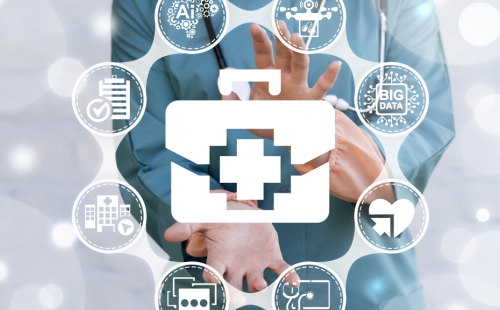
How mHealth is transforming people’s lives
mHealth (mobile health) is the use of mobile phones and other wireless technologies for medical care. Mobile technology can now empower patients and caregivers by giving them more data and flexible monitoring options. Smart healthcare devices now allow patients to be less dependent on healthcare professionals, freeing resources within the healthcare system. There are many health…
mHealth (mobile health) is the use of mobile phones and other wireless technologies for medical care. Mobile technology can now empower patients and caregivers by giving them more data and flexible monitoring options. Smart healthcare devices now allow patients to be less dependent on healthcare professionals, freeing resources within the healthcare system.
There are many health apps that help with fitness, medical references, and wellness. As a result of technological developments, we see the capabilities of apps and wearables improving.
Remote monitoring of patients’ health status with home telehealth assists with reminder alerts. These digital messages remind patients to adhere to taking medications or therapies.
Smart healthcare increases the potential to support more hands-on treatment. Especially with treatment in primary care clinics and hospitals, with home care treatment. Using digital communication such as e-visits, e-prescriptions and remote monitoring.
What are the biggest challenges for healthcare?
People are living longer. As a result, there is an increased population and more chronic conditions. These are some of the biggest challenges healthcare is facing. Furthermore, resources are being pushed to the limits. With significant levels of GP appointments and hospital bed costs.
The challenge is how to sustain healthcare systems. Considering the rising costs, delivering care to an ageing population and better quality healthcare.
How is mHealth technology transforming people’s lives?
Mobile technology is encouraging people to exercise, lose weight and improve their health. In addition, smartphone apps and wearables record data that can communicate to others. More advanced apps and devices can now integrate with healthcare systems. As a result, linking patients and healthcare professionals with mHealth.
Data generated via mHealth applications can help with the optimal management of specific diseases. Hence, utilising predictive analytics the data collected is making a real difference in treatments. Consequently, mHealth is becoming an important part of patient treatment and healthcare transformation.
Find out more about mHealth.
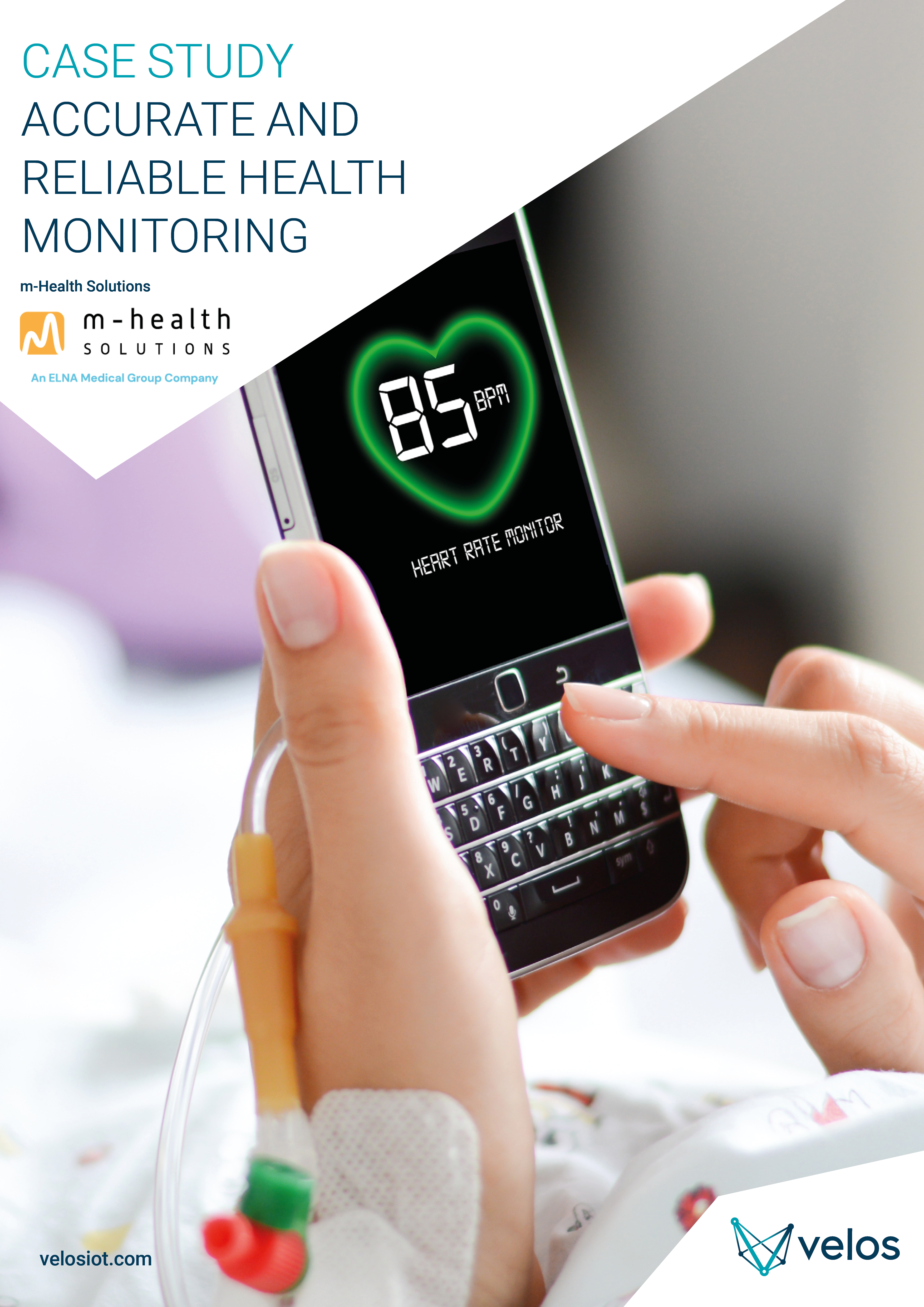 Download your free copy of the mHealth case study.
{{cta(‘2b0c9e5f-7c26-4864-8d7c-d99673f6238d’,’justifycenter’)}}
Other questions?
Do you have any other questions about our IoT Platform for healthcare applications? Please feel free to contact us to find out more.
Related Articles
With 20+ years of experience in delivering complex IoT services, we understand the importance of world-class connectivity and security. We enable businesses worldwide, including IoT connectivity providers, to build and manage their mission-critical devices.


