Blog / Article
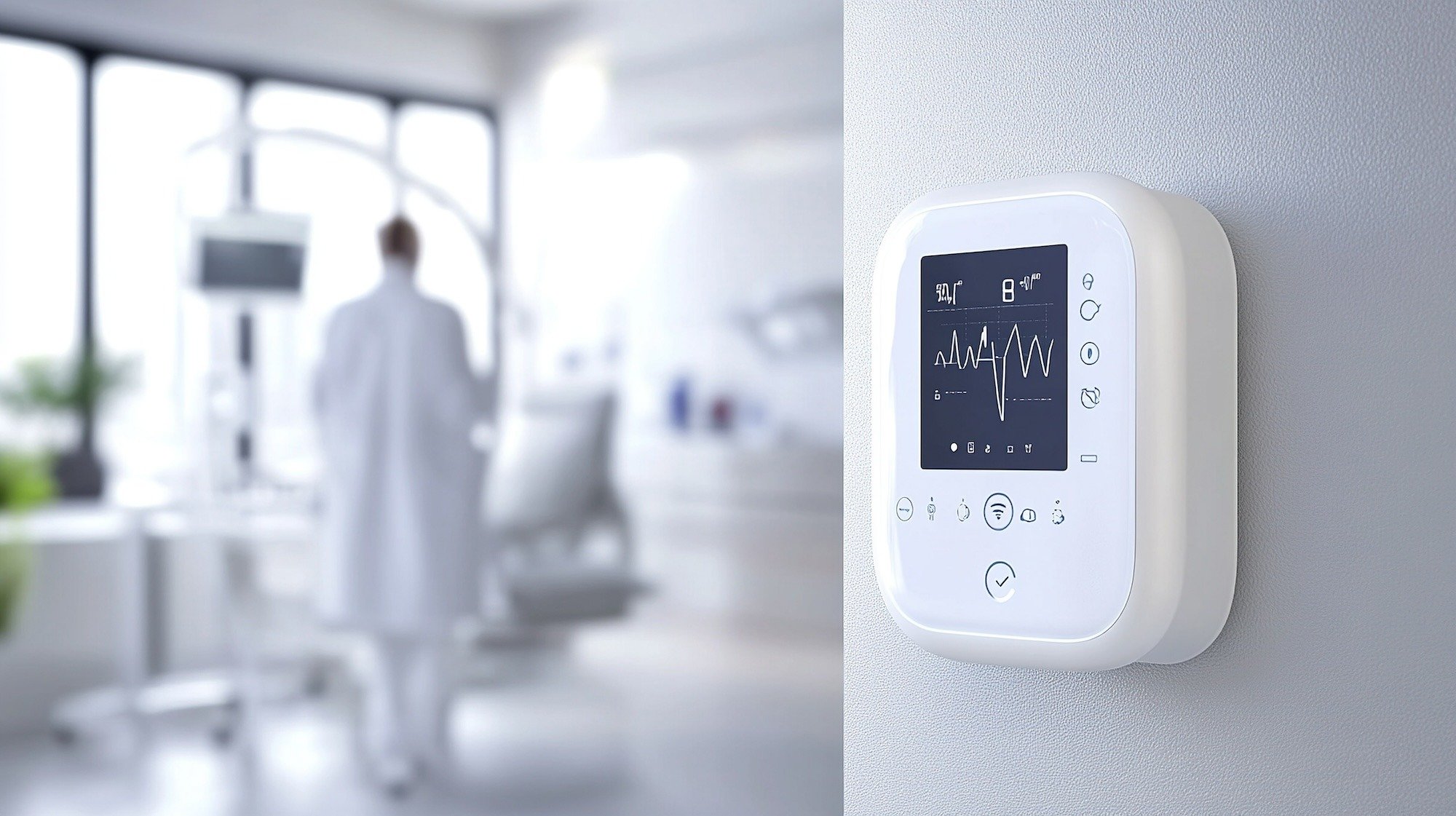
IoT Deployments in Healthcare: Challenges Worth Solving
Smart medical devices are already making healthcare more affordable, accessible, and efficient. By the end of 2030, it is projected that there will be over 500 million healthcare IoT connections worldwide.
While healthcare IoT connections are expected to proliferate, the road won’t necessarily be smooth. According to one study, 76% of IoT projects fail. 1 Medical IoT endeavors have mission-critical needs that require the right mix of technology and strategy.
Benefits of Healthcare IoT
Smart medical devices are already making healthcare more affordable, accessible, and efficient. By the end of 2030, it is projected that there will be over 500 million healthcare IoT connections worldwide.
Many of these will be remote patient monitoring devices, which enable doctors to observe and analyze patient health metrics during everyday activities for fast responses and expedient diagnoses. For instance, m-Health’s m-CARD sends a user’s round-the-clock ECG data to a secure analysis center to detect cardiac arrhythmia.
IoT connectivity is also used in devices and therapies like prosthetic limbs, surgical instruments, inhalers, and cancer treatment. By 2030, it is projected that 85% of medical devices will be IoT-connected. This technology is set to significantly enhance the patient experience and produce valuable data for medical research.
4 Biggest Challenges of Healthcare IoT Deployments
These devices demand robust platforms skillfully integrated into existing systems and infrastructure. For successful IoT deployments in healthcare, the following conditions must be met.
- Reliable Connectivity
Network failures aren’t acceptable in devices that require real-time data access, as many medical devices do. Maintaining connectivity is especially challenging on mobile devices like wearables, which travel wherever the patient goes, across borders and coverage zones.
Cellular connectivity is often the best solution for IoT deployments that cover a large geographical area. With an open roaming, non-steered SIM card, IoT devices can automatically switch between networks and stay connected to the strongest available signal. The number of networks that may be accessed depends on the SIM provider’s roaming relationships and the location of deployments. For example, Velos IoT has global roaming relationships with 700+ networks across 200 countries and territories.
Since there are many sub-categories of cellular connectivity, you must also match the type of network with the price point, speed, and video or voice capabilities that your devices need.
- Cybersecurity
Anything connected to the internet can be hacked, and IoT devices are no exception. Healthcare technology requires layers of security because of its sensitive nature and the regulations in place to protect patient privacy.
A private IoT network is an essential starting point. VPNs, APNs and IPsec protocols create a private environment only accessible by authorised devices. These efforts keep data contained within the private network and off the general internet. They work in tandem with robust data management practices, clear boundaries of ownership and your organisation’s security rules in the fight against breaches, hacks and leaks.
- Scalable Platforms
For healthcare IoT to succeed, it must be supported and seamlessly integrated into the greater healthcare system. Patients, doctors and other authorised professionals must be able to use the devices, monitor their status and/or troubleshoot them remotely.
This requires a scalable, flexible and user-friendly IoT platform that can adapt to specific use cases, preferably with a solid support team to assist with solution design and help ensure a smooth integration.
- Cost
Because of the demands outlined above, healthcare IoT projects can quickly become cost-prohibitive, especially in competitive environments where different departments must stake their claims to limited funding. Leverage expert advice to make informed decisions, avoid wasting time and resources, and to help build the business case for your IoT project. Contact us to describe your goals in healthcare IoT and learn more about the most effective solutions.
Related Articles
With 20+ years of experience in delivering complex IoT services, we understand the importance of world-class connectivity and security. We enable businesses worldwide, including IoT connectivity providers, to build and manage their mission-critical devices.