


Blog / Article
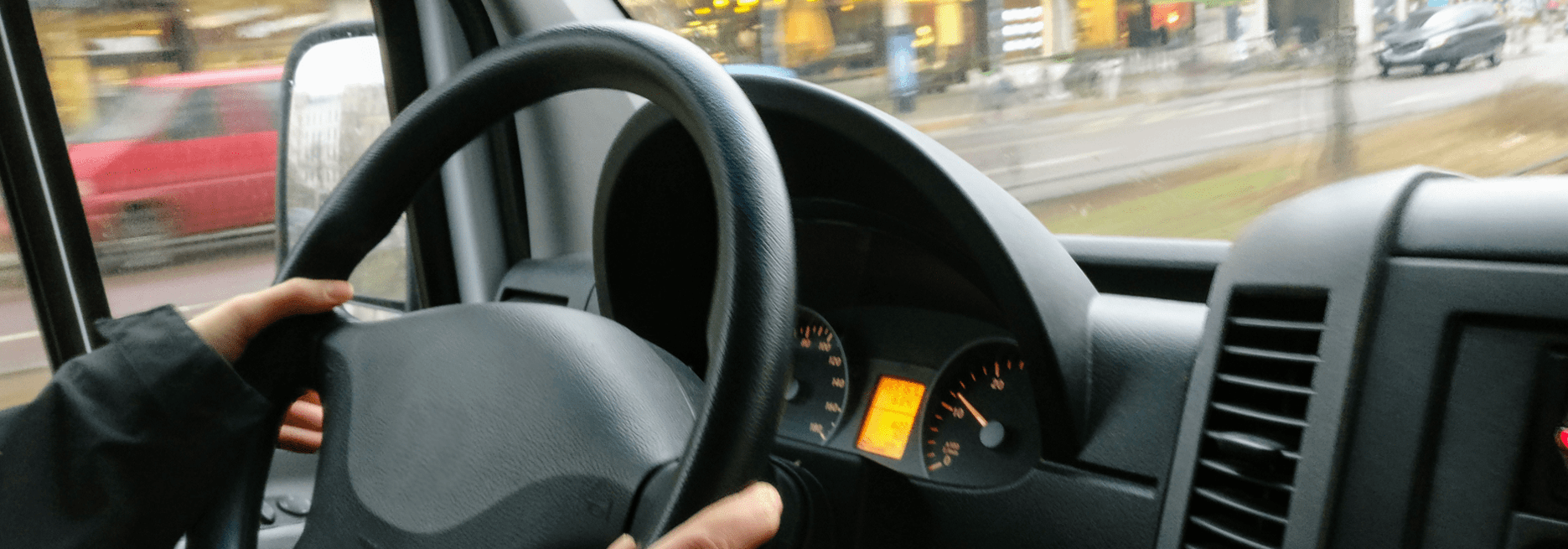
How Does Telematics Insurance Work?
How does telematics insurance work and what are the benefits of a Roaming SIM card? Young drivers can get cheaper car insurance by switching to the telematics insurance plan. Hence, this type of policy uses a GPS tracker that’s installed in your car. Most noteworthy, the GPS tracker transmits information back to your insurer. The data transmitted…
How does telematics insurance work and what are the benefits of a Roaming SIM card?
Young drivers can get cheaper car insurance by switching to the telematics insurance plan. Hence, this type of policy uses a GPS tracker that’s installed in your car.
Most noteworthy, the GPS tracker transmits information back to your insurer. The data transmitted is then used to calculate your insurance premium based on how you drive.
Telematics insurance can measure your performance behind the wheel. The insurer will use a metric for deciding whether you are a good or bad driver. Metrics data collected include braking, cornering, consistent steering, speed, time and mileage.
Smartphone apps are also used to give you access to your driving data. Hence, using this data will help you become a better driver.
Insurers Reward Good Driving
For good driving, you get rewarded with money back from your insurance policy. But some insurers may increase your premiums if you break the speed limit.
GPS tracker Installation
The installation of a tracker is quick and simple. The tracker is always on, using a roaming SIM card to send data to the insurer.
How GPS trackers benefit from the open roaming SIM card
Insurers rely on the GPS tracker to work all the time, in any country, in any circumstances. So, the solution is to use the Velos IoT SIM. This SIM uses a revolutionary technology called open roaming. As a result, it allows free network attach and detach from every network in the UK. Furthermore, it enables global coverage with over 600 networks across 200 countries.
Always Stay Connected with Dynamic Coverage Control
The Velos IoT’s open roaming SIM ensures trackers stay connected. Using the most robust network available. And devices are re-connecting to prevent network failure.
Most noteworthy, a device that is experiencing problems connecting to a network can have it temporarily removed. This removes the mobile network as a cause of problems.
If you would like to learn more about how our partners use the Velos IoT solution for telematics, download one of our free case studies by clicking the button below.
{{cta(‘012f4668-9c0b-4450-a7db-4c343c6e086d’,’justifycenter’)}}
Related Articles
With 20+ years of experience in delivering complex IoT services, we understand the importance of world-class connectivity and security. We enable businesses worldwide, including IoT connectivity providers, to build and manage their mission-critical devices.


