Blog / Article
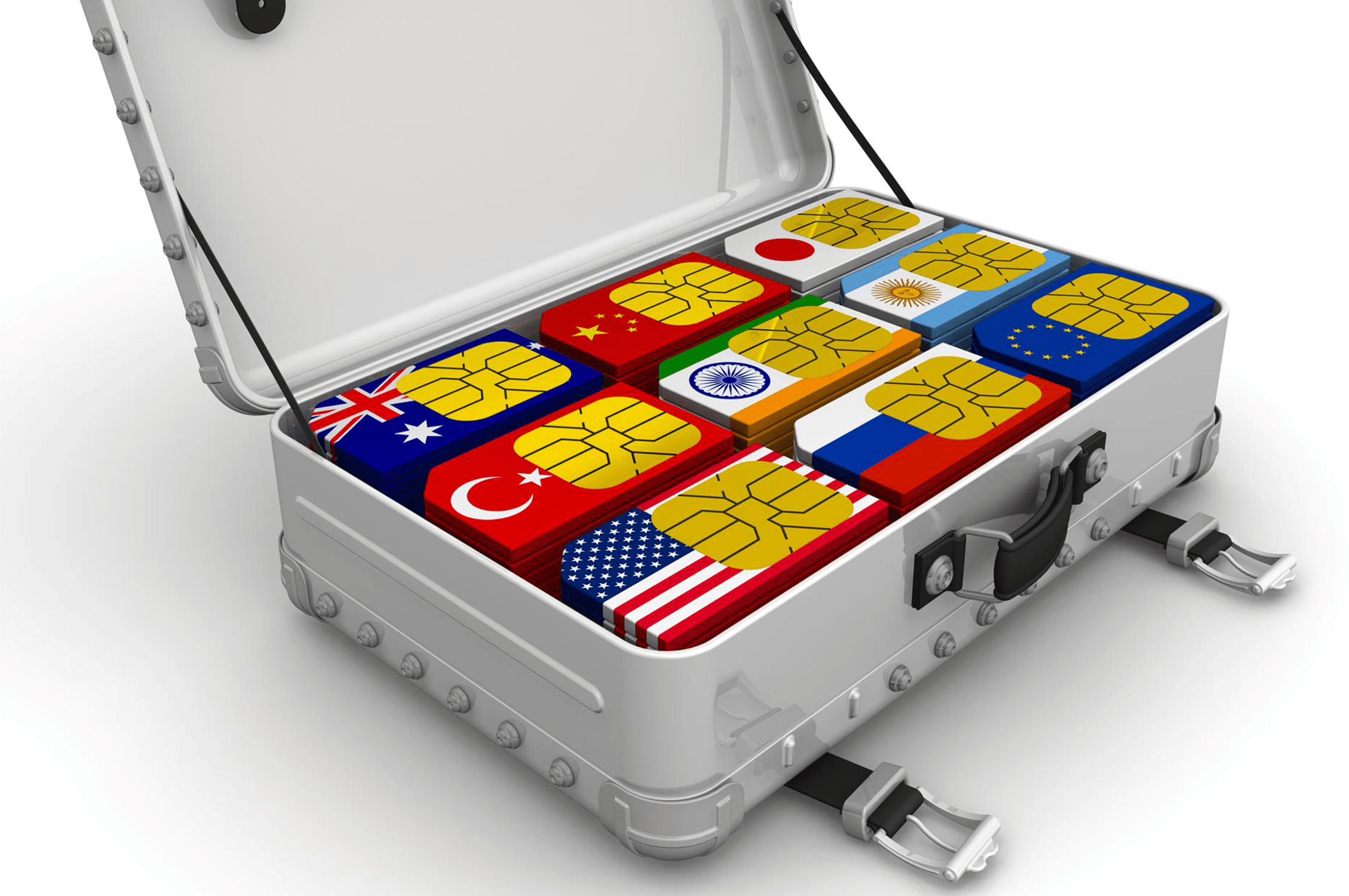
Compare global roaming SIM card – Steered vs. Non-Steered
Today you will find many companies selling global multi-network roaming SIM cards. These SIM cards are often used for IoT/M2M connectivity solution resilience. You may ask, are global multi-network SIM cards all the same? Do they all offer the same advantages? Are there any things to look out for when choosing your roaming solution? What…
Today you will find many companies selling global multi-network roaming SIM cards. These SIM cards are often used for IoT/M2M connectivity solution resilience. You may ask, are global multi-network SIM cards all the same? Do they all offer the same advantages? Are there any things to look out for when choosing your roaming solution?
What are the different types of global roaming SIM cards available?
There are two types of global multi-network roaming SIM cards available on the market. You can choose between steered and non-steered SIM cards.
In both versions, you can change from one mobile network to another. However, there are big differences between these two versions. As a result, you need to understand the differences to ensure you are getting the best solution.
We have put together a comprehensive guide to global roaming SIMs. In the following article, you will find out what the differences are when it comes to non-steered and steered.
What is a non-steered multi-network roaming SIM card?
The first type of global multi-network roaming SIM card is non-steered. Non-steered cards have no logic on the SIM that prefers a particular provider unless upon request. As a result, the SIM card doesn’t have a primary network.
The advantage of using a non-steered SIM is that no individual network has priority. This method is very popular with IoT, and M2M solutions as devices can seamlessly change between networks.
To ensure the best performance, you need to make sure that the non-steered SIM has no additional software to get in the way and delay connections.
The roaming SIM will only change networks when the mobile signal drops below a certain threshold. As a result, your IoT device will always connect to the strongest signal available.
The benefit of using a non-steered SIM is that they are more flexible and effective. And they are very beneficial for implementing global IoT/M2M applications.
What is a Steered Multi-Network Roaming SIM Card?
A steered SIM card uses one primary network and then steers to another if the network drops. This one primary network has preference over all other networks that may be available.
At first, you may think there is not much difference between steered and non-steered SIMs. But, a closer examination of steered SIMs will establish if this is the right solution for you.
Steered SIMs used roaming functionality to connect to multiple networks. But the major difference is that if the primary network of the steered SIM drops, the SIM can’t change to a different one. As a result, this causes significant problems for IoT devices that need resilience built in.
Another difference is that a steered sim doesn’t prioritize the strongest connection available. For some IoT applications, this causes an issue as they need a stable connection to enable live monitoring.
Do you need fast, reliable and secure global connectivity?
Find out more about Velos IoT‘s non-steered, open-roaming SIM offering; fast, reliable, and secure global connectivity. And learn more about what type of SIM form factors is best suited for your business needs.
Related Articles
With 20+ years of experience in delivering complex IoT services, we understand the importance of world-class connectivity and security. We enable businesses worldwide, including IoT connectivity providers, to build and manage their mission-critical devices.