Customer Stories / Customer Story
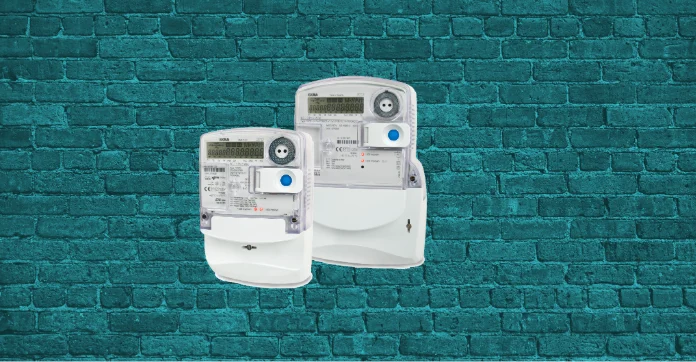
Meterix Integrated: Smart Metering Systems
“By integrating Velos IoT’s Nomad APIs directly into their payment platform, Meterix transformed their support operation into a proactive powerhouse—automating network switching and real-time diagnostics to ensure that 24/7 credit delivery never fails.”

Case Study
24/7 Resilience for Mission-Critical Metering
In the prepayment energy market, connectivity failures are not just an inconvenience—they are a critical service disruption. Meterix Limited, a leader in sub-metering solutions, faced significant hurdles with traditional aggregators whose slow response times and lack of technical depth jeopardized the delivery of cryptographic top-up tokens. Without real-time connectivity, consumers could not receive the credits they paid for, leading to potential grid disconnections.
By transitioning to Velos IoT, Meterix evolved from a reactive support model to a proactive, API-driven architecture. Utilizing the Nomad IoT platform’s deep integration capabilities, Meterix automated their device lifecycle—from warehouse testing and activation to real-time troubleshooting. The result is a highly resilient system that ensures consistent power delivery to over 3,000 consumers, backed by the flexibility to switch networks remotely and refresh connectivity on-demand.
Key Highlights in this case study:
- Mission-Critical Automation: How API integration streamlines the smart meter dispatch and activation process.
- Proactive Connectivity Management: Using real-time diameter feeds to identify and resolve failures before they impact the end-user.
- Remote Network Orchestration: The power of CS/PS profile switching to command meters to select the highest-performing local network.
- Advanced Troubleshooting Tools: Leveraging “Update Location” functions to re-establish connection with unresponsive devices remotely.
- Geospatial Oversight: Utilizing base station mapping to verify installation locations and optimize field engineer efficiency.
Related Articles
With 20+ years of experience in delivering complex IoT services, we understand the importance of world-class connectivity and security. We enable businesses worldwide, including IoT connectivity providers, to build and manage their mission-critical devices.