Blog / Article
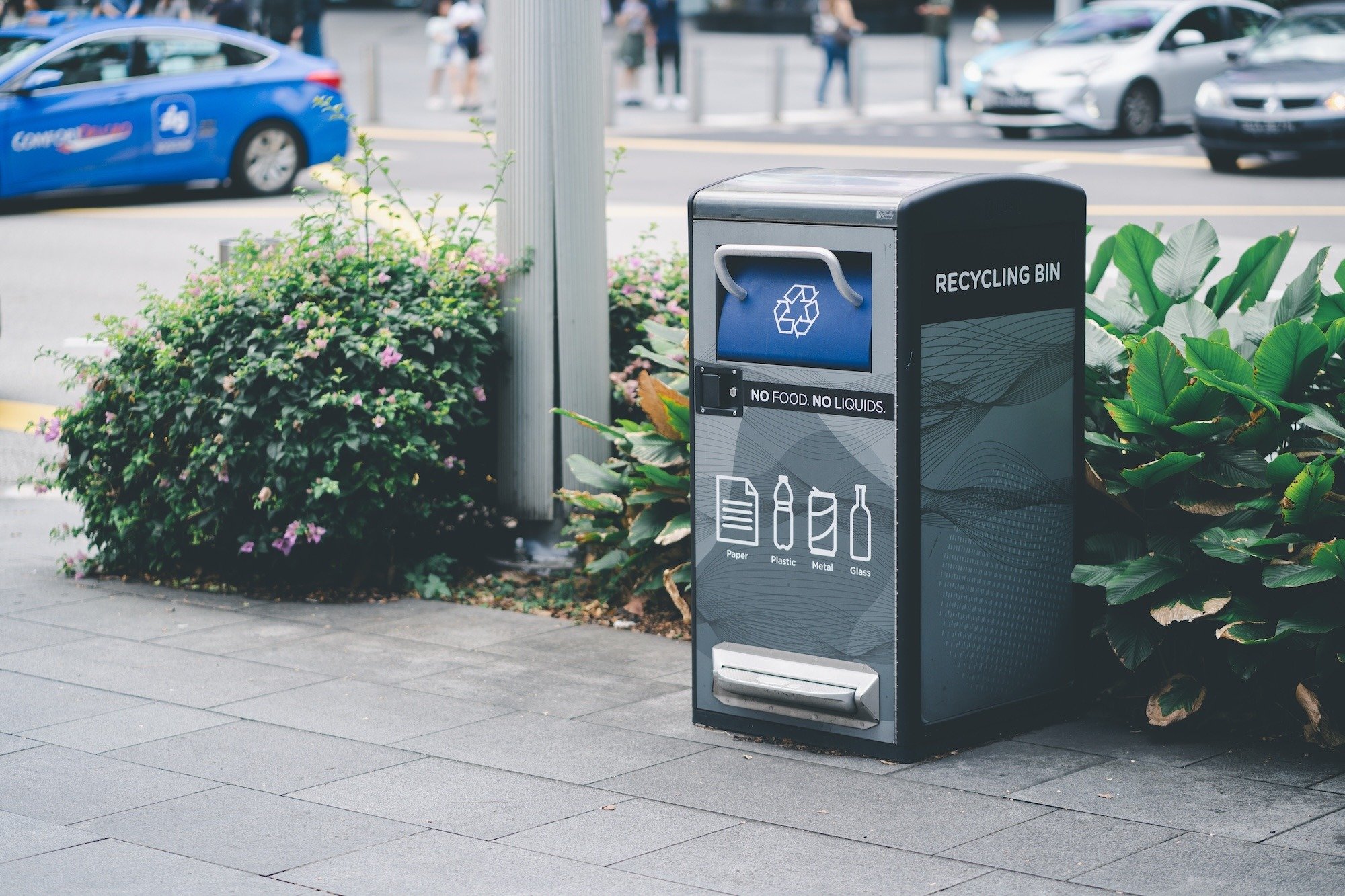
How Smart Bins Improve Waste Management
Smart bins use connected sensors to tell waste collection teams when containers are nearing capacity. Dispatchers can use those readings to prioritise bins at risk of overflowing and skip low-fill stops when service rules allow. For municipalities and waste operators, the value comes from using that information to change collection decisions. What are smart bins…
Smart bins use connected sensors to tell waste collection teams when containers are nearing capacity. Dispatchers can use those readings to prioritise bins at risk of overflowing and skip low-fill stops when service rules allow. For municipalities and waste operators, the value comes from using that information to change collection decisions.
What are smart bins and how do they work?
A smart bin is a waste or recycling container equipped with a sensor and a network connection. A fill-level sensor, often mounted near the top of the container, estimates how full the bin is. The device sends readings to a waste management platform at set intervals or when a configured event occurs. The platform can flag a bin for collection when it crosses a threshold.
Some models also compact waste or identify materials for sorting. A standard fill-level sensor can be retrofitted to a suitable container to monitor fullness. The choice depends on whether the service needs better collection timing, more capacity or help sorting materials.
How do smart bins improve waste collection?
Fill-level data helps operators decide which bins need service first. A dispatcher can move a busy park bin onto the next route after an event, for example, while leaving a lightly used bin on its usual schedule. Over time, the same data can show where a larger container or a different collection frequency would help.
Fewer stops can reduce driving time and fuel use when dispatchers can redesign routes. A bin still needs to be serviced when hygiene requirements, contracts or local rules call for a minimum pickup frequency. Track route distance, low-fill pickups and overflow incidents together to see whether the change improves service.
Which connectivity is best for smart bins?
The best network is the one that reliably delivers readings from the installed bin within the time dispatchers need to act. NB-IoT and LTE-M are cellular options for small sensor messages. LoRaWAN can suit a site or district with suitable gateway coverage. GSMA Mobile IoT Deployment Guide
| Connectivity | When to evaluate it | What to test |
| NB-IoT | Fixed, battery-powered bins that send small, infrequent messages | Coverage inside the bin and support from the operator and IoT SIM plan |
| LTE-M | Cellular deployments that need more frequent communication or larger firmware updates | Update time, power draw and availability across installation sites |
| LoRaWAN | Sites where a public or private gateway network can cover the fleet | Gateway reach from each bin and who will maintain coverage |
An IoT SIM lets a compatible cellular modem authenticate to the networks enabled by its plan. Check Velos IoT’s coverage mapwhen shortlisting networks, then test with the production SIM and the bin lid closed. Configure the platform to flag stale readings so dispatchers can follow up when a sensor goes offline.
How do you run a smart pilot?
- Measure current service. Record fill levels at pickup, overflows, stops and route distance. Include sites with different waste volumes and bin designs.
- Test the installed equipment. Check sensor accuracy against crew observations. Verify message delivery and battery use at the planned reporting interval.
- Give dispatchers clear rules. Set collection thresholds based on how quickly each bin fills and when a crew can reach it. Keep a fallback schedule for missing readings.
- Compare results before scaling. Review overflow incidents, avoided stops and route distance alongside the cost of sensors, installation, connectivity, software and maintenance.
In 2026, the Chamonix valley waste collection service fitted fill-level sensors to 640 containers across 170 drop-off points. The project team tested coverage at each site and selected LTE‑M or NB‑IoT accordingly. Six weeks after installation ended, technology supplier FOUR DATA reported that 98% of the fleet had communicated in the previous 24 hours. For a smart bin pilot, test coverage at each installation site and track how many bins report within the time your collection team needs to act. Chamonix smart waste case study
Planning a cellular smart bin pilot? Share your bin locations, sensor specifications and reporting needs with Velos IoT’s connectivity team to identify networks to test. Explore Velos IoT connectivity for energy and environment.
FAQs
Yes. You can retrofit many existing bins with a fill-level sensor. Check for a mounting position with a clear view of the waste, then test accuracy and wireless coverage with the bin in normal use.
Cellular smart bins use a compatible modem and IoT SIM, while LoRaWAN devices send readings to a gateway. Wi-Fi is another option where reliable site coverage and access are available.
Sorting is a feature of specialised smart bins. Standard fill-level sensors estimate how full a container is. Material identification requires separate sensing or sorting equipment.
They can when fill data helps teams avoid enough low-value stops or emergency collections to offset the cost of equipment, software, connectivity and maintenance. Compare those costs and service results against a baseline during the pilot.
Set the reporting interval based on how quickly the bin fills and how much lead time crews need. A busy event site may need more frequent reports than a quiet location. Test the interval against battery use and the risk of overflow.
Related Articles
With 20+ years of experience in delivering complex IoT services, we understand the importance of world-class connectivity and security. We enable businesses worldwide, including IoT connectivity providers, to build and manage their mission-critical devices.