Blog / Article
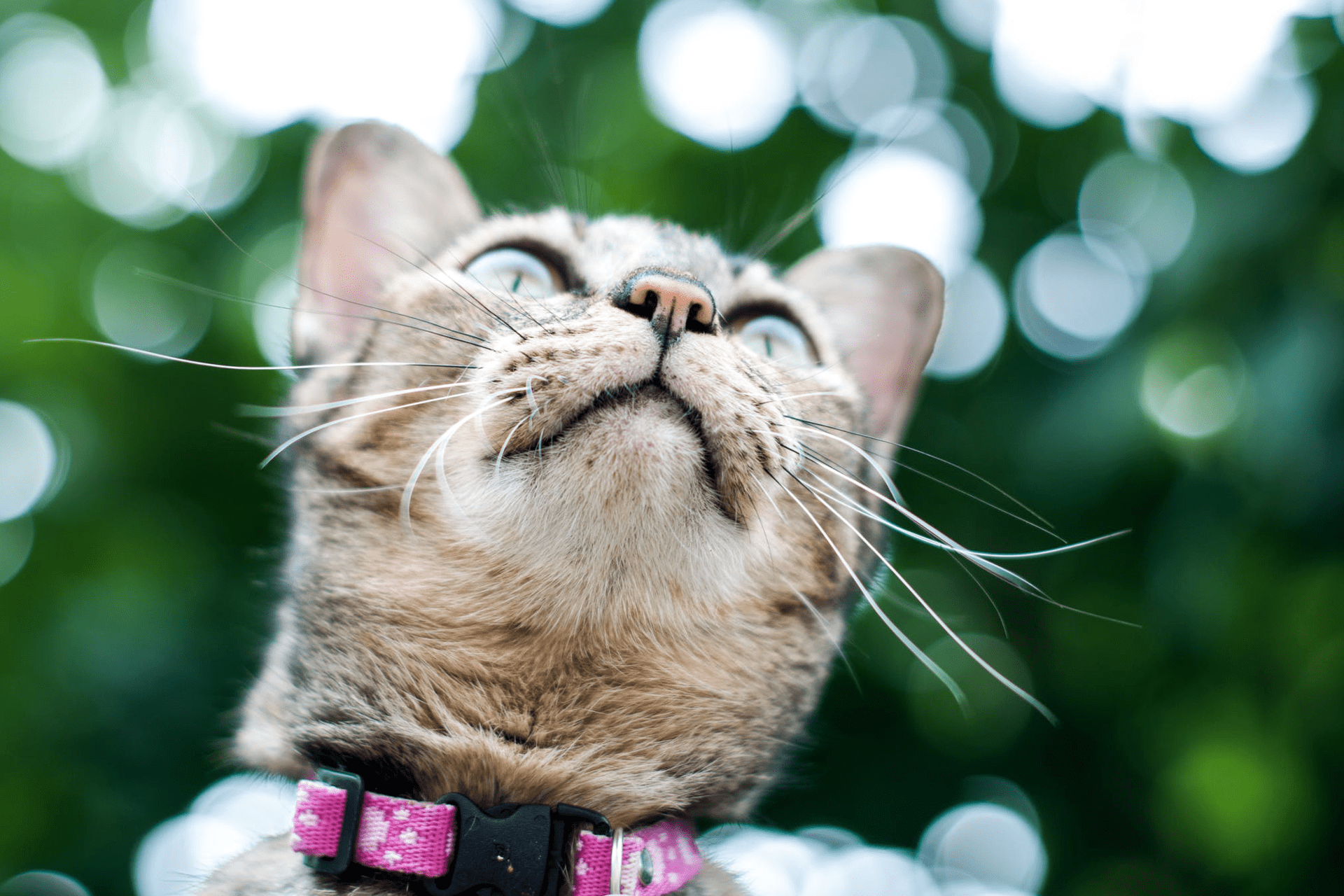
The Challenges of Using IoT Pet Tracking
IoT pet tracking is a good example of how the Internet of Things is to be used to solve a practical problem. There are a growing number of IoT Pet tracking devices available to keep track of pets. IoT Pet Tracking Challenges Overview The most common reason why a pet owner buys a tracking device…
IoT pet tracking is a good example of how the Internet of Things is to be used to solve a practical problem. There are a growing number of IoT Pet tracking devices available to keep track of pets.
IoT Pet Tracking Challenges Overview
The most common reason why a pet owner buys a tracking device is the fear of losing a pet. But also they find it interesting to see the whereabouts of their pet during the day.
A pet tracking IoT device needs to be durable and not too large or bulky. It needs to withstand the elements and be strong enough to endure a pet’s lifestyle.
Most noteworthy, a reliable pet tracking IoT device needs to have enough battery life to last months or even years of use.
For reliable pet tracking that stays connected, trackers need to use wireless modules. The wireless modules need to use multi-network roaming SIM cards to connect to the best available network. As a result, pet owners can always keep track of their pets and get an accurate location.
The future of Pet Tracking
Network roll-out of LPWAN technologies is happening all around the world. This low-power wide-area technology is the ideal solution for pet tracking LoRa GPS devices. Using low data rates and transmitting small amounts of data. As a result of low processing power, battery life lasts longer.
LoRa GPS Tracker
LoRa GPS Trackers send and receive data based on the new battery-saving LoRa Network Standard. With it, you can locate your pet anywhere where there is LoRa!
Low Energy Consumption
In comparison to the GSM standard, the battery life of the LoRa network standard is 5 times longer.
A Safety Zone and Share Option
Get automatic notification from your smartphone if your pet leaves or enters your pre-configured geo-fence zone area.
Conclusion
Velos IoT is an IoT connectivity provider that assists pet tracking service providers with connecting applications, sensors and devices. Using a managed connectivity platform to remotely monitor and control applications. To learn more about or GSM and LoRa offerings for IoT pet tracking, please contact one of the Velos IoT experts today.
Related Articles
With 20+ years of experience in delivering complex IoT services, we understand the importance of world-class connectivity and security. We enable businesses worldwide, including IoT connectivity providers, to build and manage their mission-critical devices.